The short answer
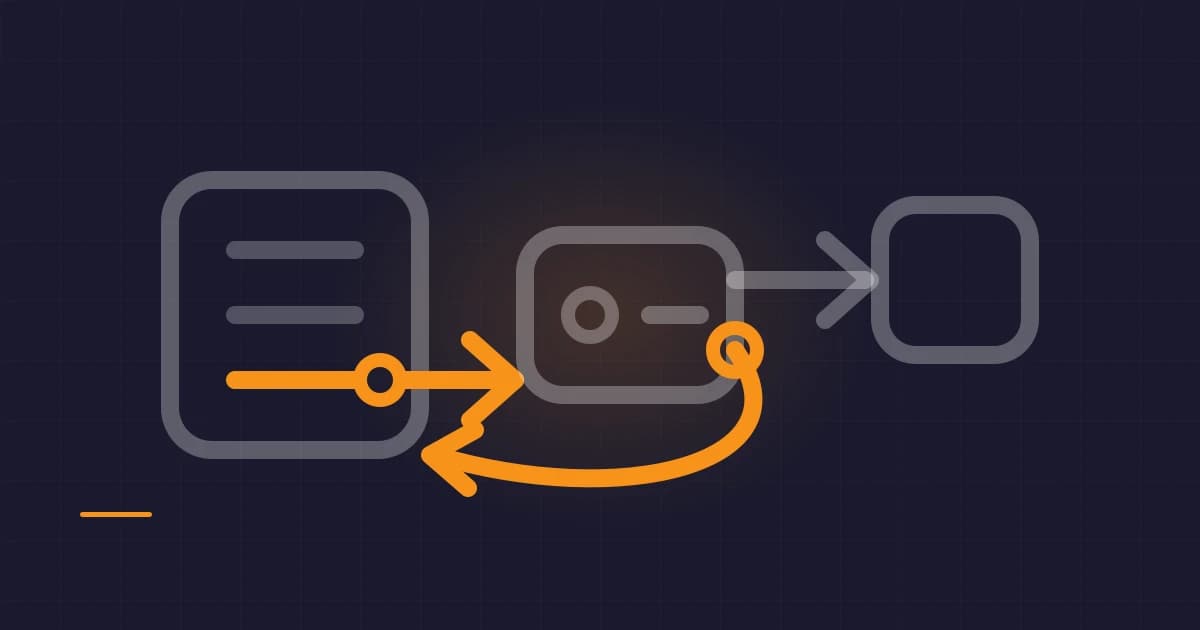
A Bitcoin change output returns leftover value to the sender's wallet. Bitcoin transactions spend whole UTXOs, not just the exact number of sats needed for a payment. The wallet creates a new output for the difference after subtracting the payment and the transaction fee.
Suppose a wallet spends one 100,000-sat UTXO. It pays 70,000 sats and sets a 1,000-sat fee. The remaining 29,000 sats normally become a change output controlled by the same wallet.
Where the change goes
Change does not return to an account balance inside the old output. It becomes a new transaction output with its own outpoint. A later transaction can spend it like any other UTXO.
Wallets normally send change to a fresh internal address. BIP 44
defines chain 0 for public receiving addresses and chain 1 for internal change addresses.
Bitcoin Core 32.1, the current published major release checked on 13 November 2026, also
provides getrawchangeaddress
for raw-transaction work. Its own help warns that normal wallet use should manage change
automatically.
How to check it
Open the transaction in the wallet that created it. Look for an output labelled as change, internal, or owned by the wallet. The expected result is that the leftover amount appears as a new wallet UTXO after the transaction is accepted.
Do not guess from output order. Bitcoin Core's released
send code
allows the change position to be selected separately, and the default is random. The
largest or last output is not automatically change.
If the numbers do not match, include every selected input, recipient output and fee. A send-all payment may create no change. A very small remainder can also be added to the fee instead of creating an output that costs more to spend.
The limit of public inspection
A change output is an ordinary output on the public ledger. Someone who does not control the wallet usually cannot prove which output is payment and which is change. Wallet labels and internal derivation records are stronger evidence than block-explorer guesses. Reusing addresses or combining coins can still reveal links, so a fresh change address helps privacy but does not make a transaction private.