White PaperExplainer
What the Bitcoin white paper actually says
Nine pages, published in 2008, that solved one specific problem: how a network with no central authority agrees on which of two conflicting payments happened first.
5 min read
Understand how Bitcoin works through practical guides, useful tools, and real-world applications.
Nine pages, published in 2008, that solved one specific problem: how a network with no central authority agrees on which of two conflicting payments happened first.
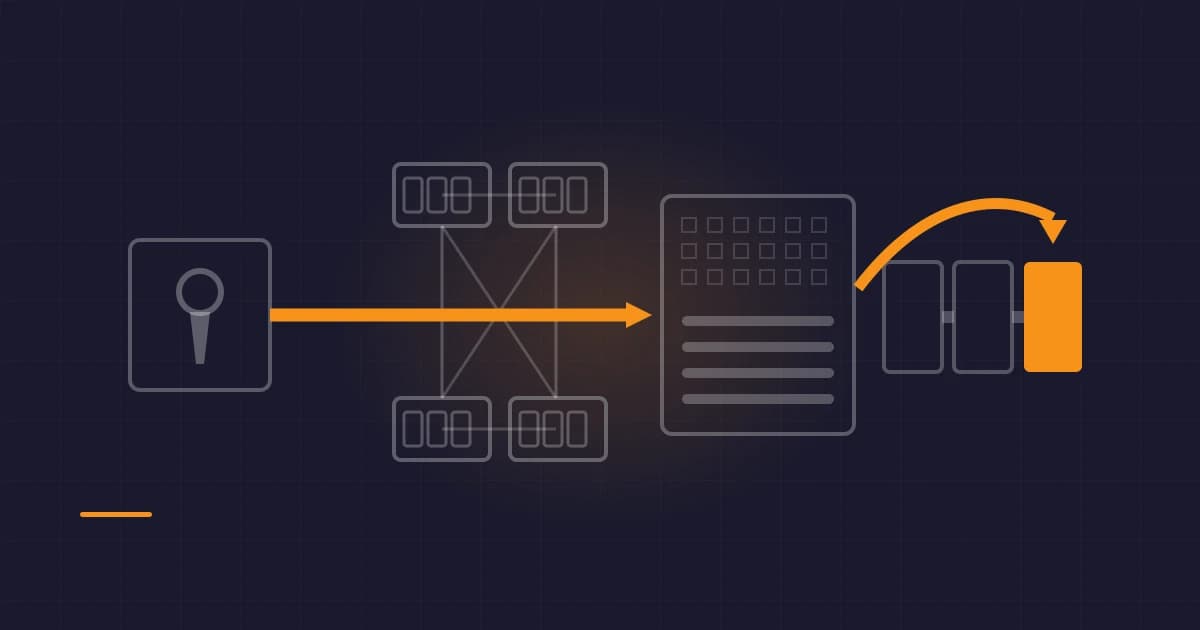
Four parts do all the work: a wallet that signs, nodes that check, miners that order, and a chain that records. What each one does, and what happens to a payment between pressing send and it being final.
Bitcoin is a set of rules for issuing and moving money that nobody can change on their own. What those rules are, and how they compare to gold and to government currency.
Thousands of cryptocurrencies exist. The question that separates them is not which has the better features, but which one nobody is in a position to change.
Turn a fresh Bitcoin receive address into a clear payment request, check the amount and details before sharing it, and know what the link cannot prove.

Find a transaction, read its outputs and distinguish an estimate from a confirmation. Practise on Testnet4 without moving money or sharing wallet secrets.
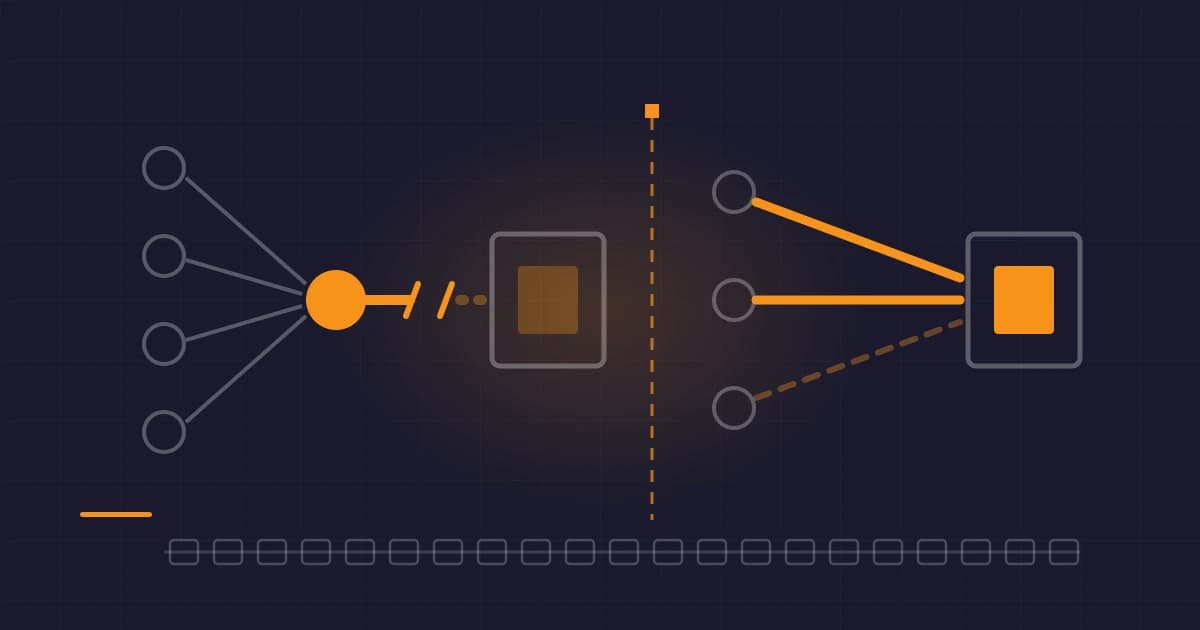
A household with one person who understands bitcoin is better off than one with none. It is also one funeral away from losing everything, which is why the job is not to be the expert. It is to become unnecessary.
BIP 322 lets a Bitcoin address answer a message challenge through the same script rules used for spending. A valid result shows that a script could be satisfied at that moment, but it does not prove identity, continuing control, or ownership of every claimed coin.
A coinbase transaction is the first transaction in a Bitcoin block. It creates the block subsidy, collects transaction fees and cannot spend an earlier output.
A node is the part of Bitcoin that checks. It earns nothing, commands nobody, and refuses anything that breaks the rules. What one does, what it costs to run, and why a pruned node is a full node.
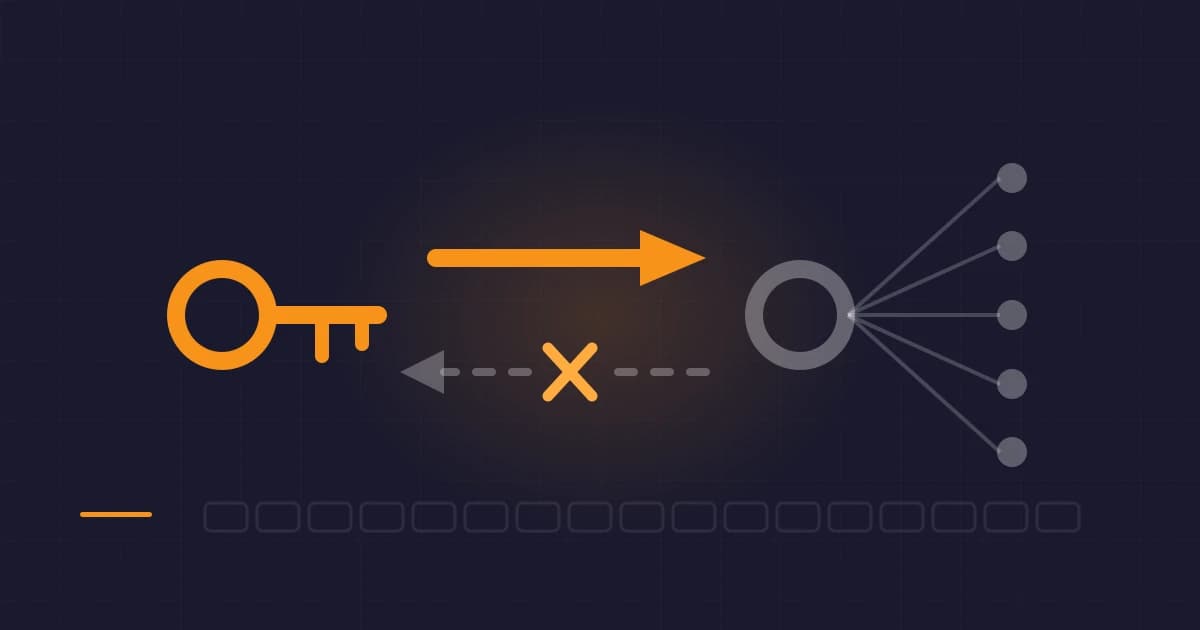
How a pair of keys lets anyone verify that you authorised a payment, without ever learning the secret that produced it. The mechanism behind every Bitcoin transaction.
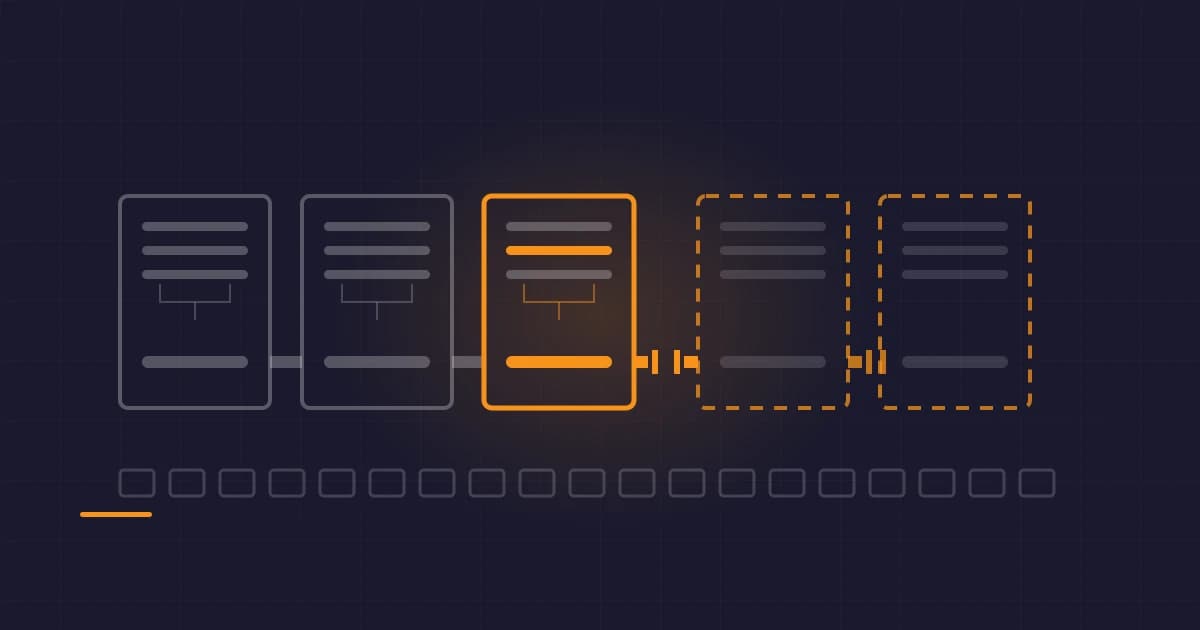
Each block carries the fingerprint of the one before it. That single arrangement is what makes the record hard to rewrite, and you can watch the mechanism work in one line of terminal.

Decode a mainnet Taproot address, verify its Bech32m checksum and witness program, then reject four official invalid vectors offline.

Construct a Bitcoin-style Merkle root and inclusion branch from synthetic transaction IDs, then test the proof and three failure cases offline.
Rebuild the genesis header, reproduce its hash and check its encoded target with an offline Python fixture, including selected error paths.
Bitcoin Core downloaded, signature-checked, synced and answering for itself. The disk and bandwidth it actually takes, the verification step most guides skip, and how to confirm the thing is validating rather than merely running.
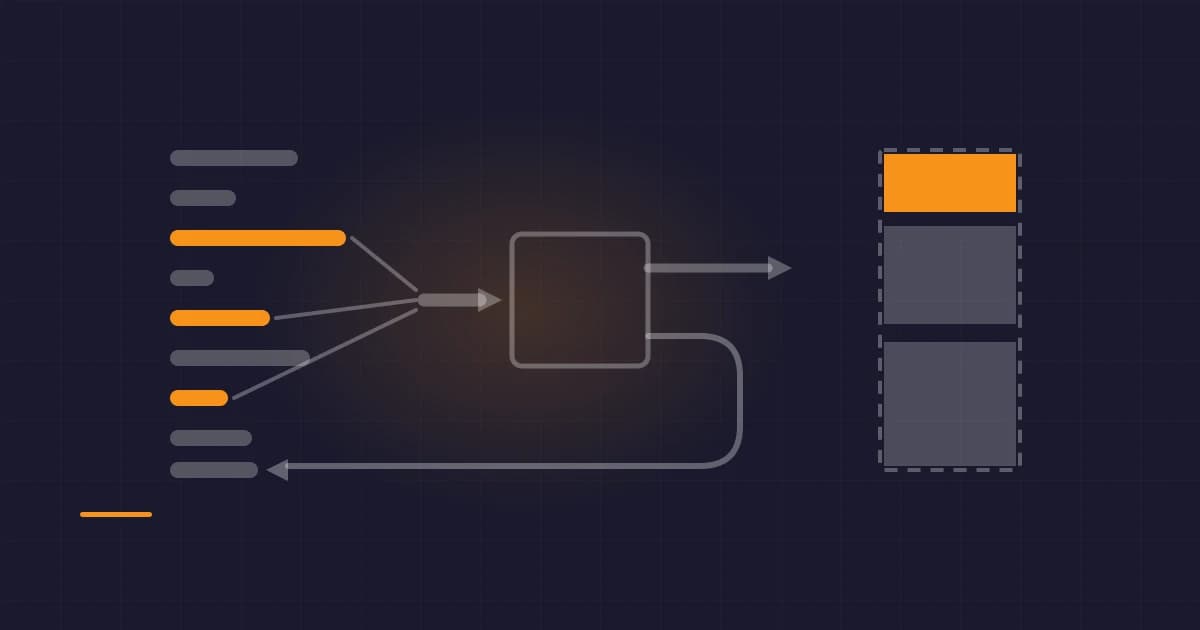
Bitcoin's consensus state is a set of unspent transaction outputs, not a ledger of accounts. Your balance is arithmetic a wallet performs for you, and change outputs, fees, dust and chain analysis all follow from that one fact.
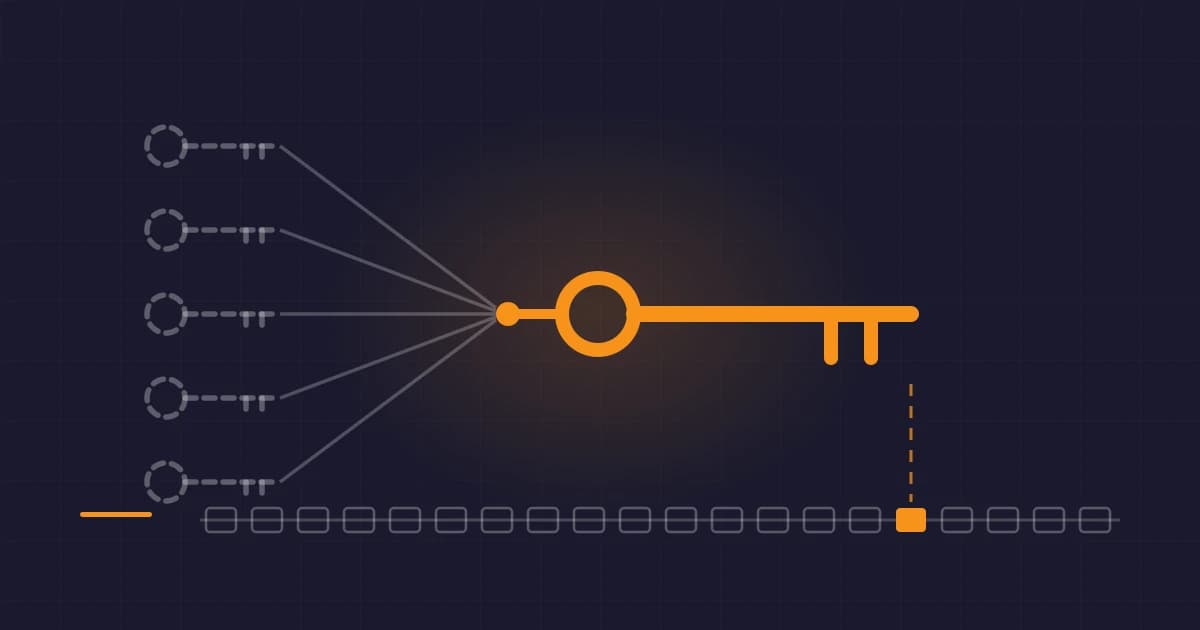
Schnorr signatures are linear: several public keys add into one key, and several signature shares add into one signature. That single property is what lets a cooperative multisig spend look identical on chain to a single-key spend.
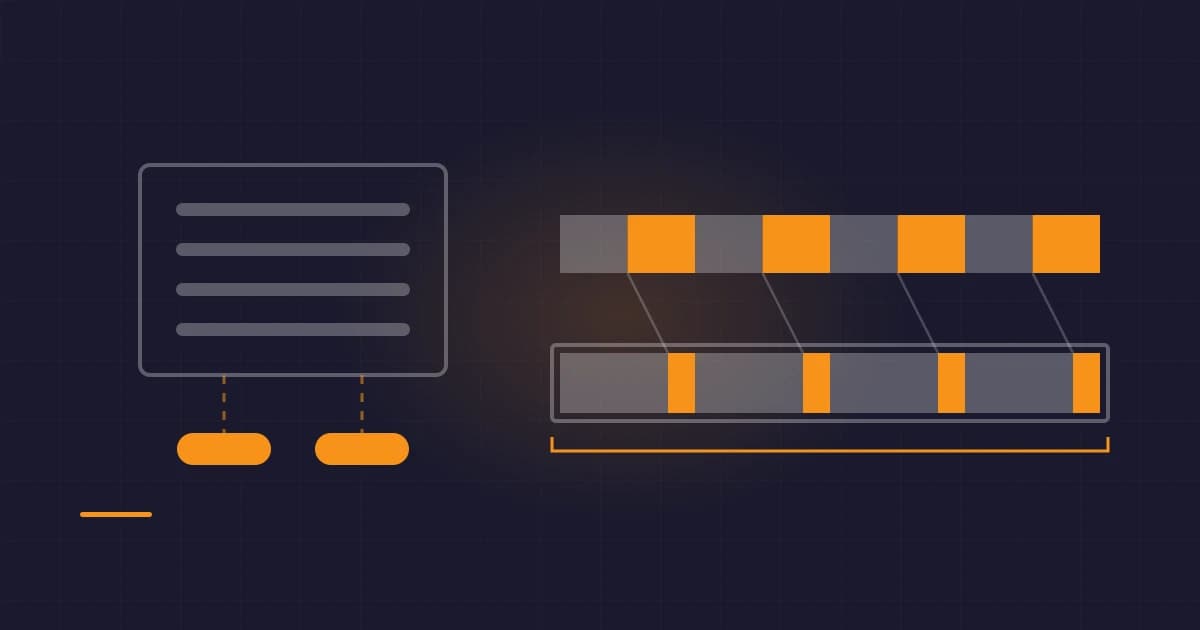
SegWit moved signature data out of the transaction identifier, which fixed malleability, and replaced the one megabyte block size limit with a four million weight unit limit. Here is the accounting, from the BIP, and what it does not do.
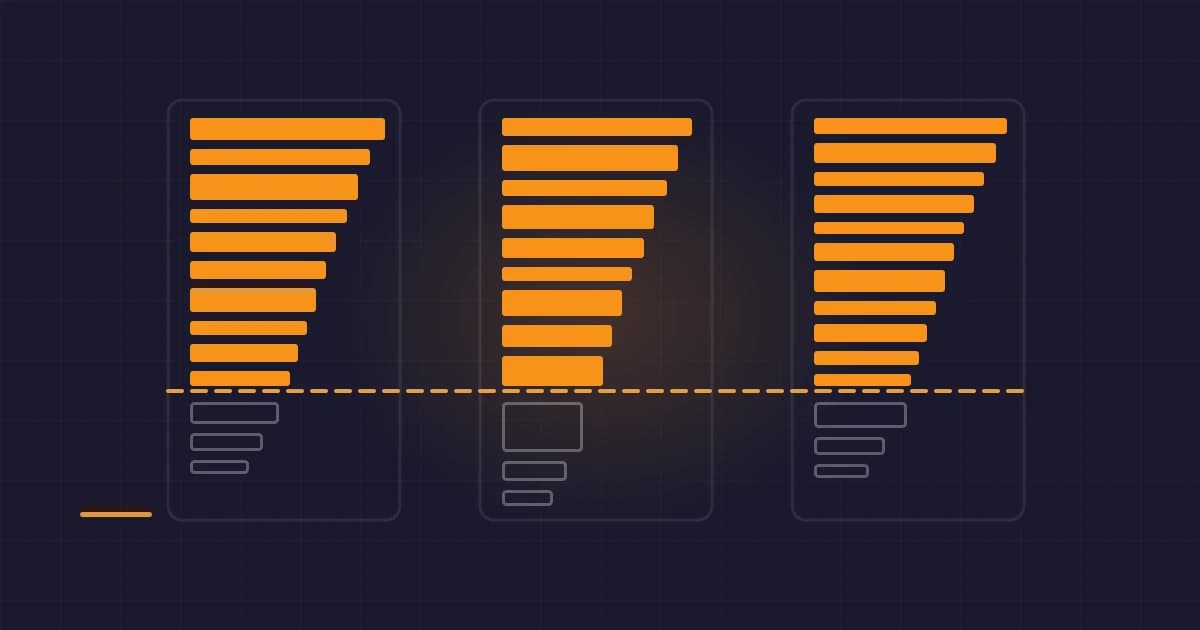
Every node keeps its own mempool, miners sort candidates by fee rate rather than by fee, and the rules for relaying a transaction are stricter than the rules that make a block valid. That is most of what decides whether a payment confirms.

A soft fork tightens the rules and a hard fork loosens them. That one asymmetry decides who is forced to upgrade, who can ignore a change entirely, and when a disagreement turns into two chains that never rejoin.
One English trial decided whether Craig Wright is Satoshi Nakamoto. Two other cases, about developer duties and about a partnership, decided different things. Here is what each court actually held, quoted from the judgments, and what none of them held.
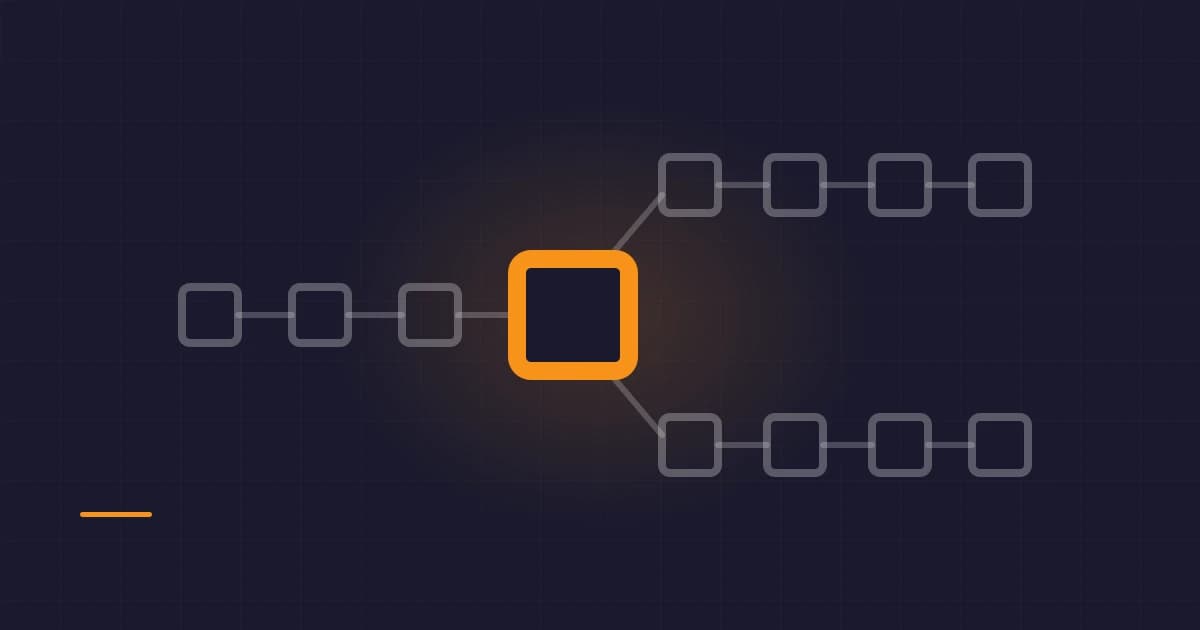
In November 2018 Bitcoin Cash split into two chains and both sides said mining power would settle which one survived. Both are still running. Here is why proof of work orders blocks inside one rule set and cannot choose which rule set is correct.
Nodes, miners, developers, exchanges and users each hold a different and partial lever over what Bitcoin is. The current argument about relay policy and arbitrary data shows exactly where each one stops.

Between 2015 and 2017 Bitcoin argued about a one-megabyte number and ended up answering a different question. Here is what each side actually proposed, what the two agreements committed whom to, and what the outcome established about how rules get changed.

Lightning is a network of two-party channels. Two people lock coins in one on-chain output and then re-sign the split between them as often as they like. Here is the mechanism, and the four things it does not do.

A string starting lnbc is a signed, expiring request for one specific payment. What BOLT 11 encodes, why the payment hash is the receipt, and how LNURL, Lightning Addresses and BOLT 12 offers relate to it.

From an empty wallet to one payment sent and one payment received, including the custodial decision that changes every later step and the inbound liquidity problem that stops most beginners on the receiving side.
LND, Core Lightning, Eclair and LDK all speak the same wire protocol because the BOLTs say what goes on the wire and nothing about how a node is built. Everything above that line is where they diverge.
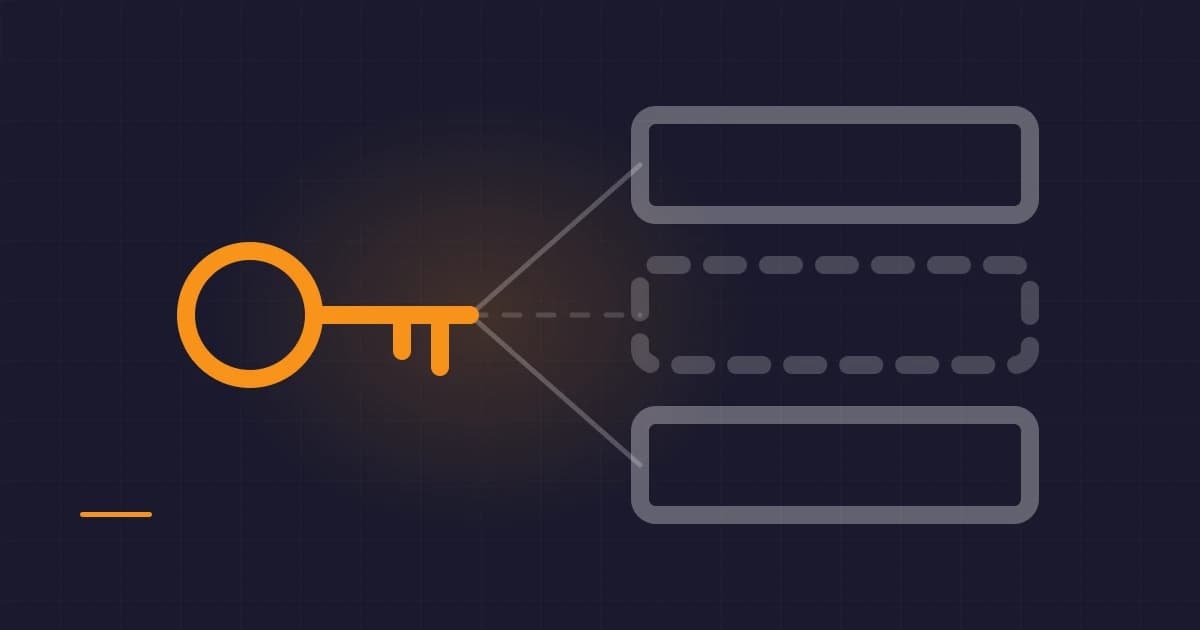
Nostr is a small protocol for publishing signed messages, where your account is a keypair rather than a row in a company's database. What that buys you, and the one consequence to understand before generating a key.
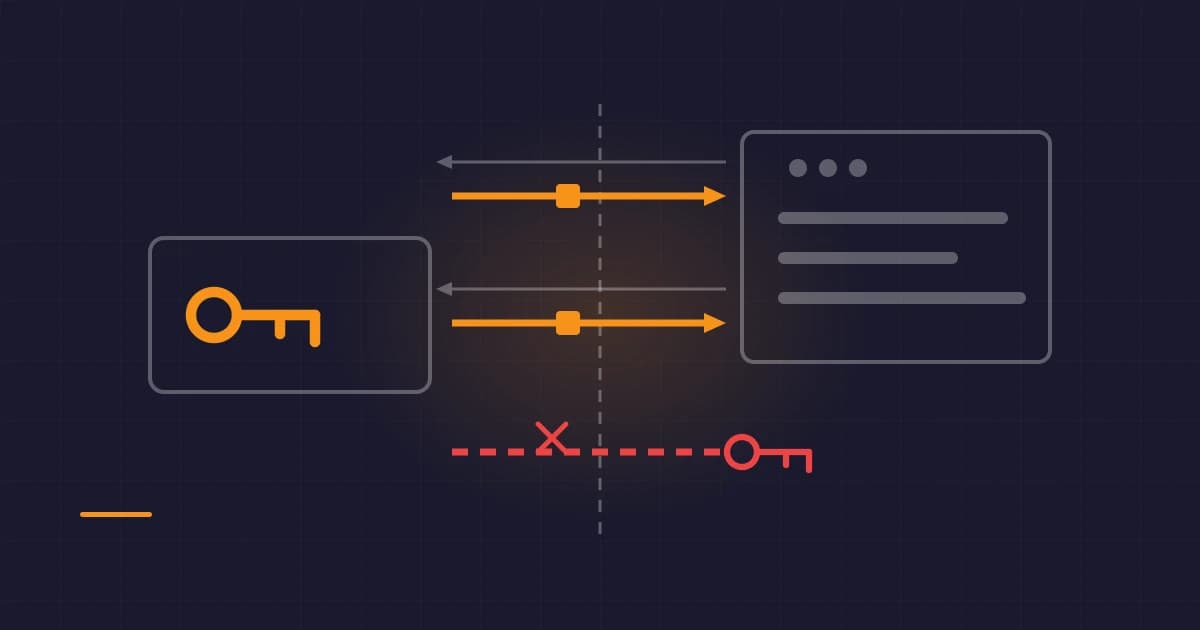
Set up a signer, log in to a Nostr web app without ever pasting your private key, and check that the app is signing with the identity you think it is. Plus the one failure mode Nostr has no fix for.
A PSBT is a portable container that lets wallets coordinate a Bitcoin transaction, add signatures and pass the result between online and offline devices.
An output descriptor records which scripts a wallet watches, how its keys are derived and which addresses belong to the same policy. It can make a wallet portable, but it is not automatically a safe backup and it may contain private keys.
A wallet does not hold your bitcoin. It holds the keys that let you move it. Every real decision about choosing one follows from that single fact.
Keys, seed phrases, hot and cold, passphrases and multisig, defined properly, plus the part most introductions skip: what self-custody costs you.
Holding your own keys removes the exchange from your threat model and puts you in it instead. What that trade involves, what it protects against, and the four ways people lose coins doing it.
Download Sparrow Wallet from its official release, verify the signed manifest and installer hash, then install it without creating a wallet or moving bitcoin.

For someone who has never held bitcoin: creating a wallet, writing the recovery phrase down and proving it is right, receiving, sending, and restoring on a second device, which is the only step that proves any of the rest worked.
Good custody and good inheritance pull in opposite directions. Every step that makes your coins harder to steal makes them harder for your family to recover. Here is how to resolve that without weakening either.
Roll your own entropy, turn it into a BIP-39 recovery phrase, and check the result twice before it holds any money. The arithmetic, the steps, and the ways this goes wrong.
A deterministic password manager derives your passwords from one seed instead of storing them. Here is the mechanism, the cases where it genuinely helps, and the failure modes nobody mentions.
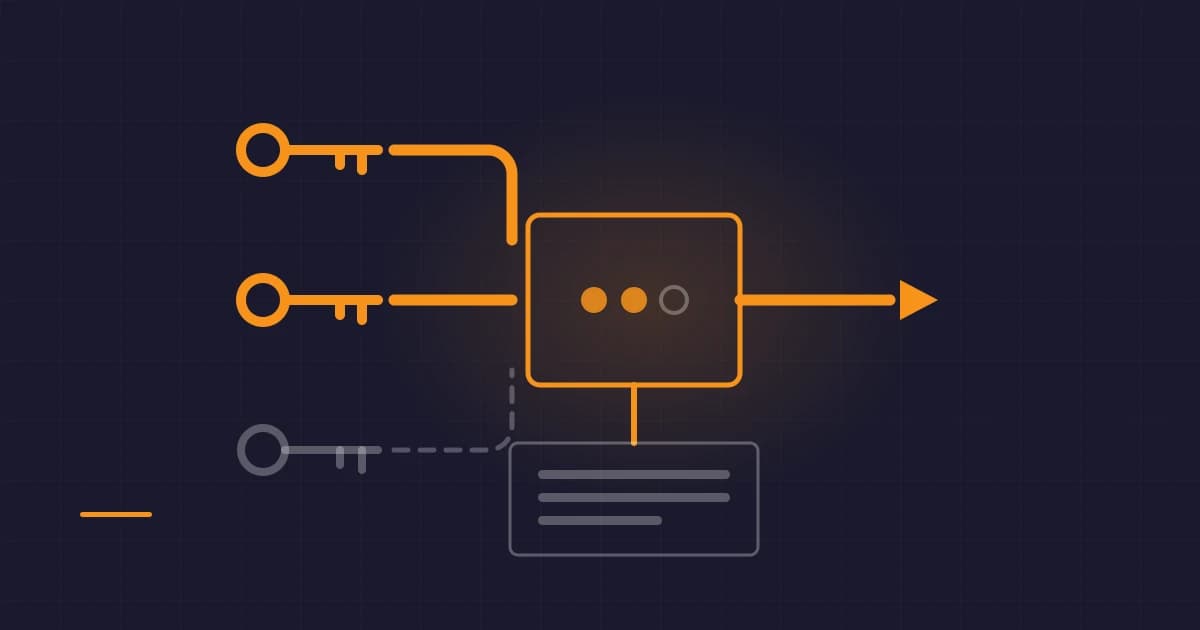
A 2-of-3 removes the single point of failure in your custody. It also triples the number of things you have to keep track of. Here is how to tell whether that trade is worth it for you.
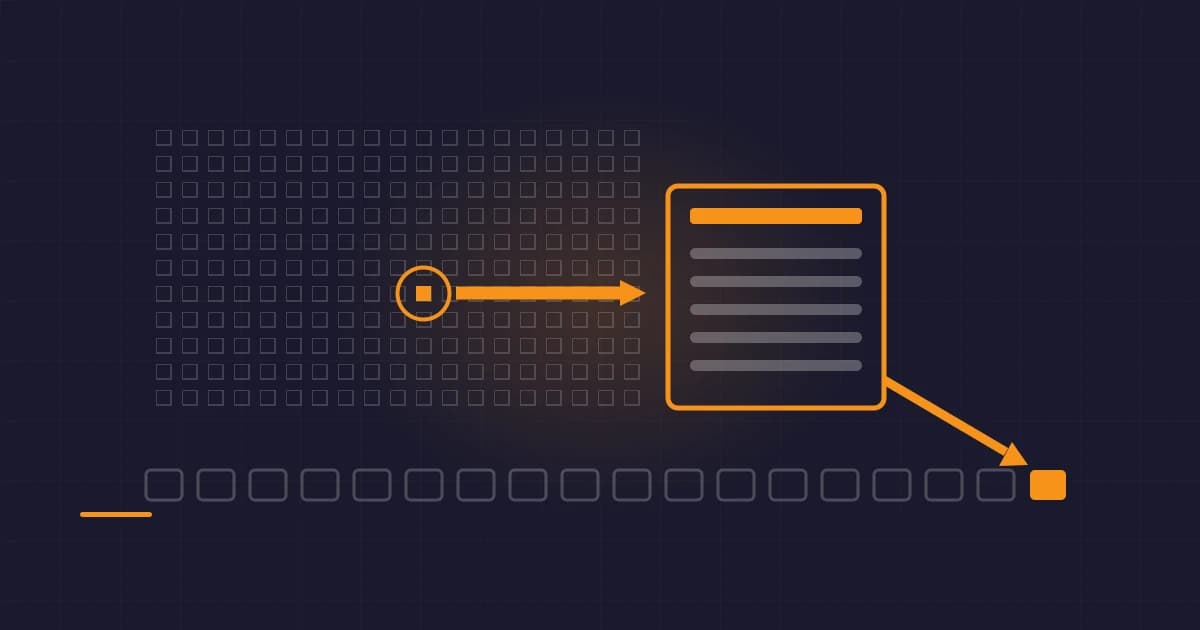
Mining is not a puzzle anybody solves cleverly. It is a guessing race, deliberately made expensive, and the expense is what stops the ledger from being rewritten. What miners do, what they are paid, and what they cannot do.
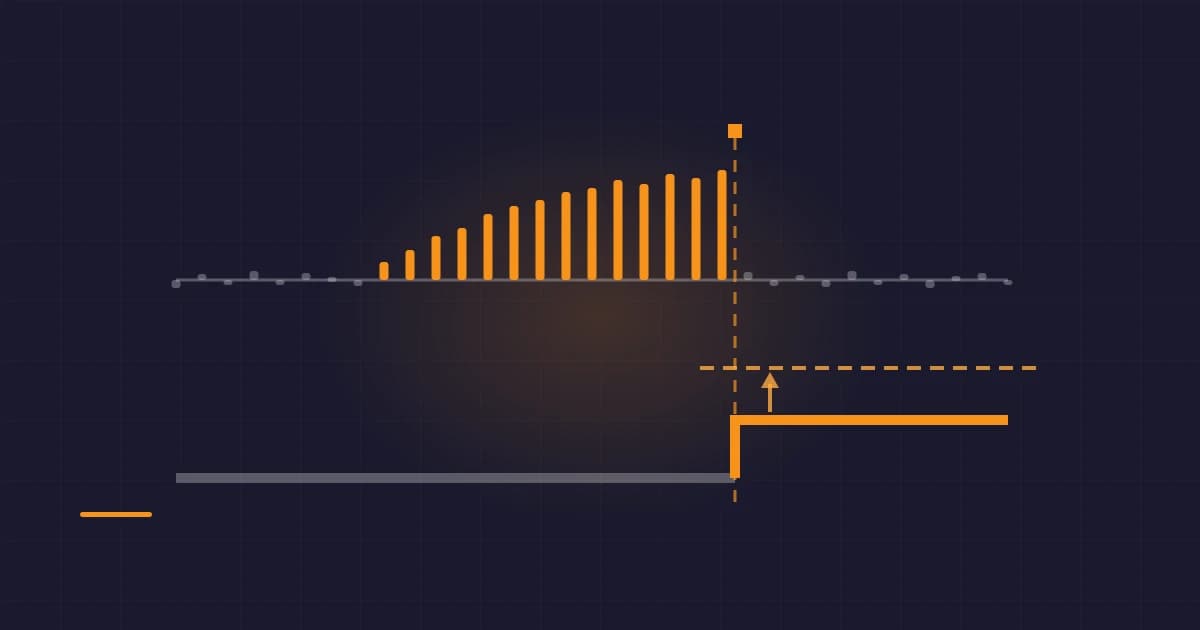
Every 2,016 blocks, every node recomputes the mining target from two timestamps and one division. Here is the arithmetic, the clamp that bounds it, the off-by-one nobody can fix, and why a hashrate collapse means waiting.
Counting your wealth in a currency that is losing value is a known mistake. Counting it in a currency you expect to gain value is the same mistake with a different unit, and it is the one I had to be talked out of.
Falling prices are treated as one phenomenon with one verdict. They are two different mechanisms wearing the same word, and which one you get depends on how much of the economy owes money it cannot service.

The usual complaint about the Consumer Price Index is that it hides housing. It does not. The real problem is that a consumption index cannot see asset prices, and almost everybody reads it as though it can.

Argentines are said to spend everything because inflation punishes saving. The official data says they save enormously, just not in pesos. That changes what the behaviour is evidence of.

The usual Bitcoin argument about time preference and interest rates has a sign error in it. Work the discounting through properly and it points the other way, which turns out to be the more interesting result.
Morgan Housel says wealth comes from behaviour. Saifedean Ammous says the money you save in sets that behaviour. Stacked together they make a claim that is half durable and half unfalsifiable, and it is worth separating them.
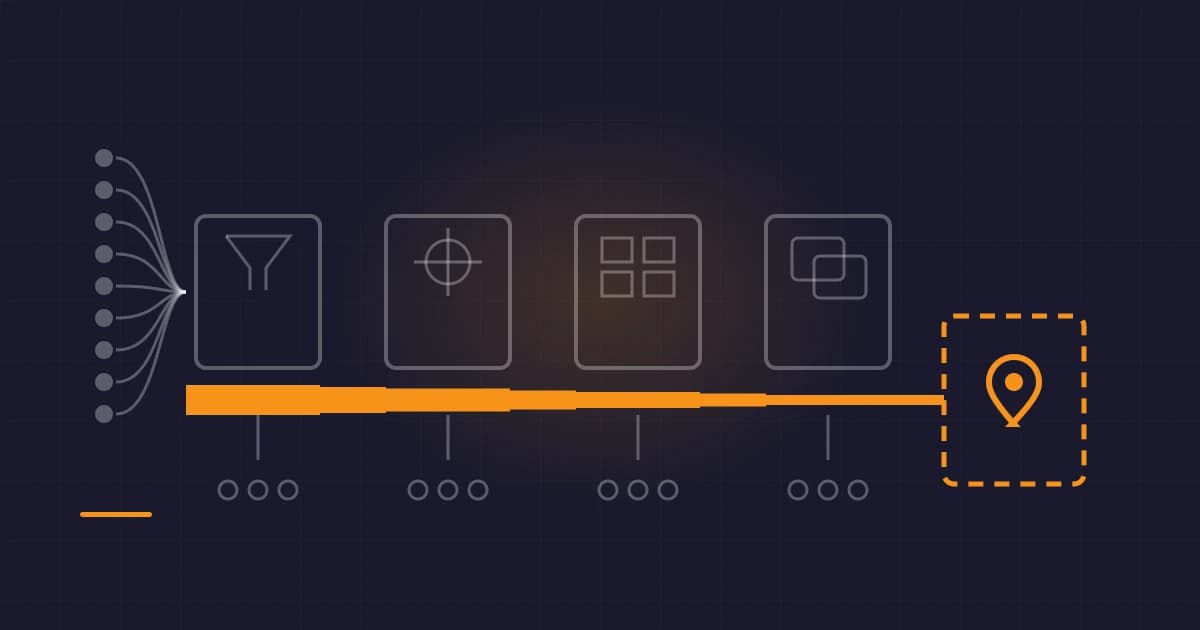
Detection, geographic enrichment, categorisation, naming. The pipeline that turns scattered OpenStreetMap tags into a usable directory, where each stage goes wrong, and how to run the first stage yourself against the open data.
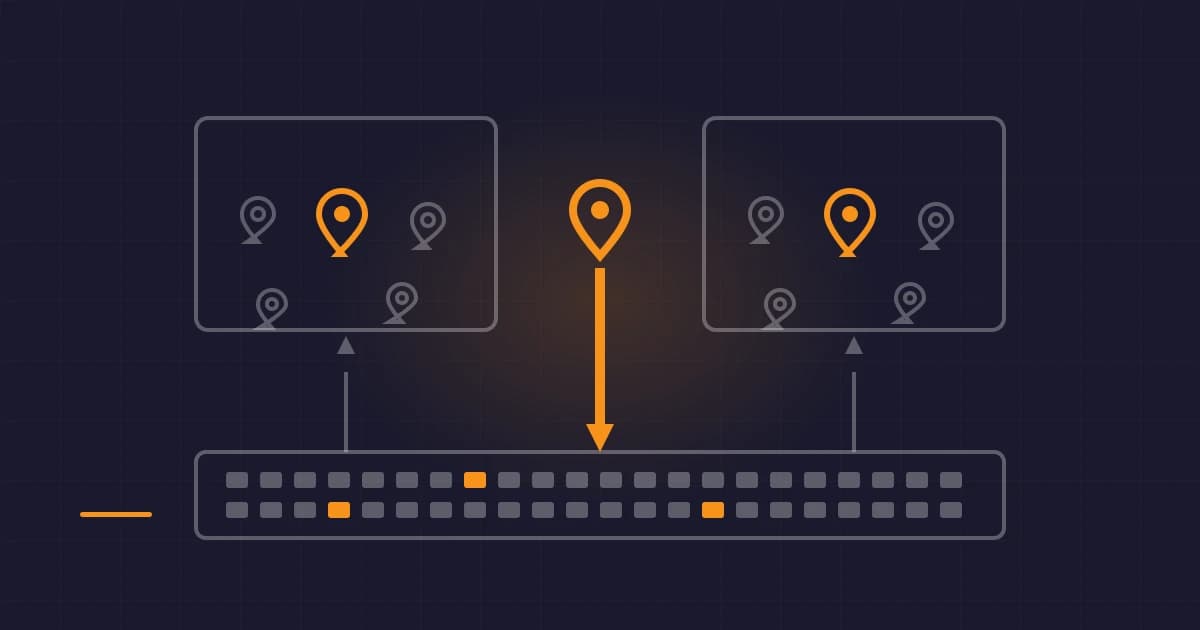
Open directories all read the same OpenStreetMap data and none of them is complete. How to search MappingBitcoin, how to read a listing, and how to confirm a place before you make the trip.
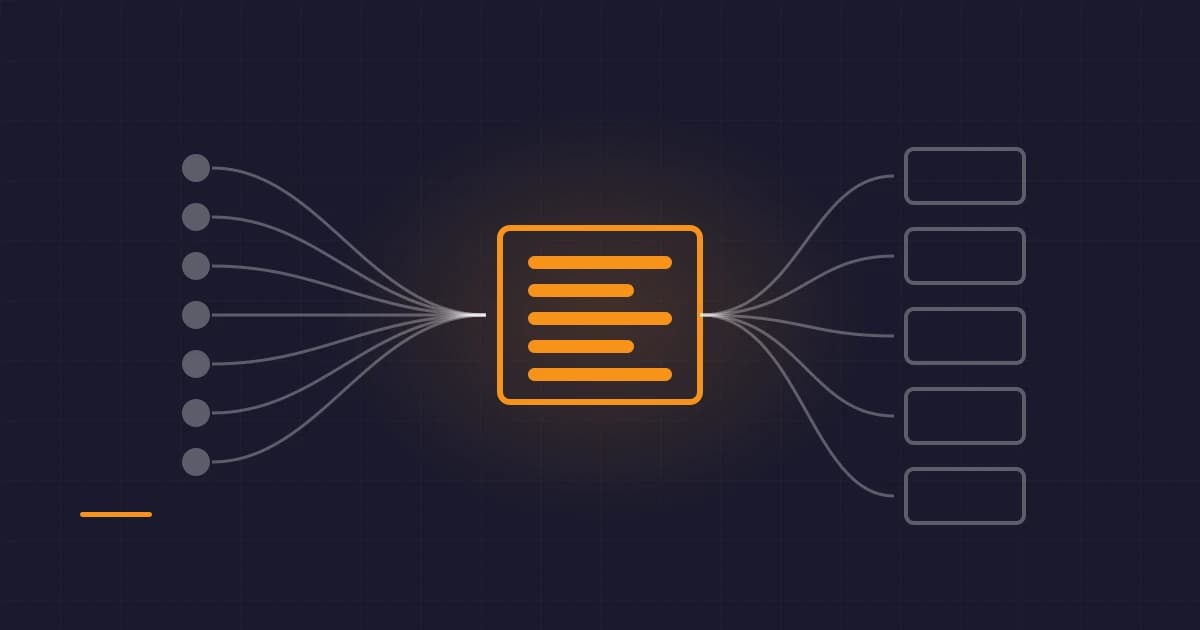
A submission form at MappingBitcoin writes the listing straight into OpenStreetMap. How to add a business that accepts Bitcoin, how to fix one that is wrong, and how to check the change actually landed.

The case for taking bitcoin at a beach kiosk is narrower and better than the usual pitch. It is a cheap payment rail for a specific customer, it only compounds when the shop next door does it too, and since January 2025 nobody anywhere is obliged to take it.
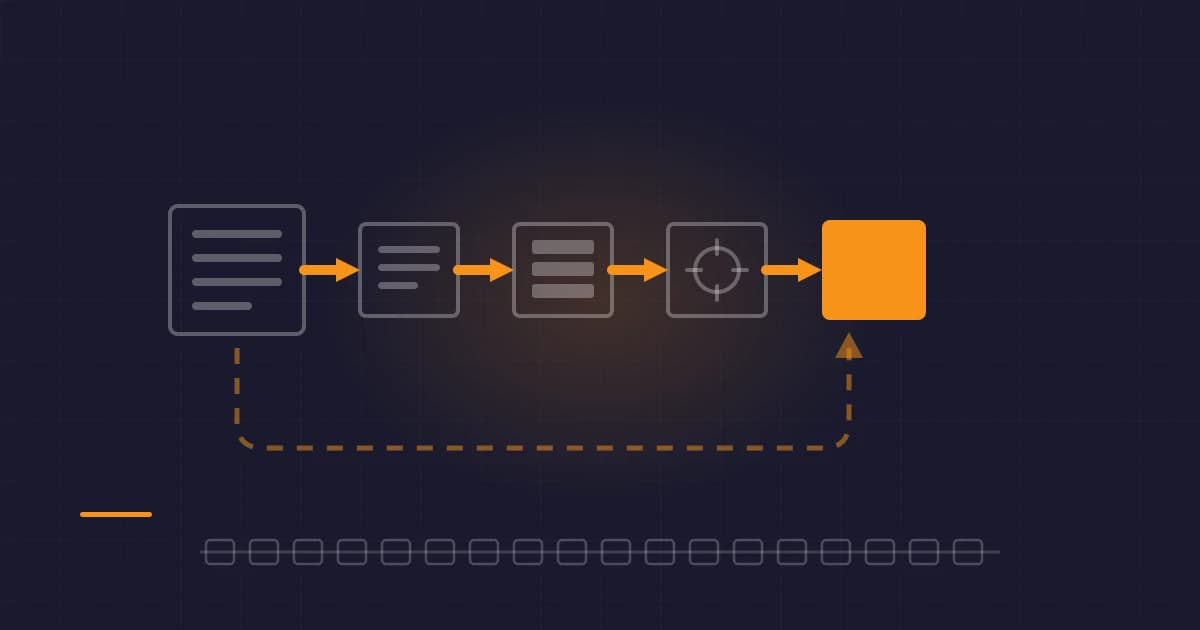
Texas is the only state that has actually put public money into bitcoin. What it bought was a bitcoin exchange traded fund, which is a claim on a fund that holds the coins. The gap between those two things is the argument.
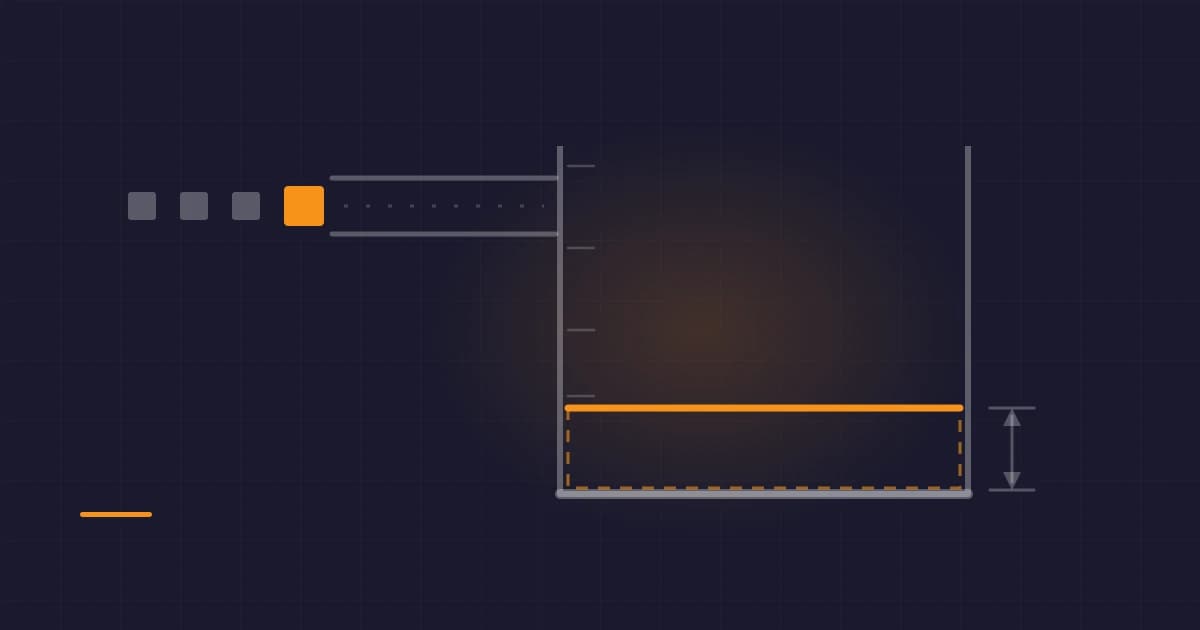
New Hampshire was the first state to let its treasury hold bitcoin. More than a year later it has bought none. The distance between a permission and an allocation is the whole subject.

The argument was that once one government held bitcoin, the rest would be forced to follow. The United States has held bitcoin since March 2025. Eighteen months of evidence is now in, and it says the payoff matrix was drawn for the wrong player.