What happened
A website can ask software to pay for a single request instead of selling a subscription. On 24 September 2026, Block announced that it had joined the x402 Foundation and contributed Bitcoin Lightning payments to that standard.
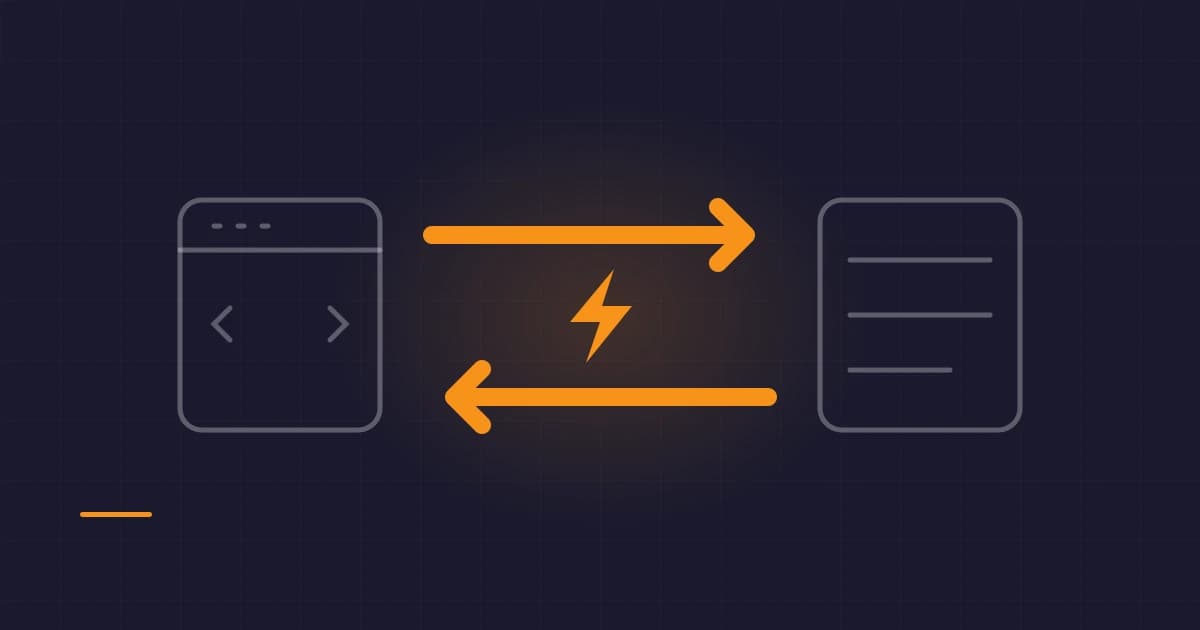
The practical idea is simple: request something, receive a price, pay, then collect the result. The buyer could be an application or an AI assistant acting within a budget. Lightning adds a way to pay in bitcoin.
What it changes
x402 puts payment instructions into a website's normal response. When access costs money, the server can return HTTP 402, the web's “Payment Required” status, with the terms it accepts.
The Lightning specification makes this concrete. The seller issues a fresh Lightning invoice tied to the requested operation. The buyer checks it and pays. After payment, the buyer returns a preimage, a secret that serves as a receipt because it matches a fingerprint in the invoice.
A payment verifier checks that receipt and records it as used before the service handles the request. This prevents the same receipt being redeemed again. The invoice must also identify the correct seller and the request being purchased.
For a developer selling data or a small computing task, this offers a common payment conversation across compatible applications. It does not require every buyer to use the same currency, but both sides must support the payment method selected.
What it does not change
A specification is not evidence that every x402 service already accepts Lightning. The wallet, website and payment verifier must implement the same rules. Block's announcement does not establish a rollout across all Square or Cash App products.
The Lightning design also requires payment before the service processes the request. A valid receipt proves payment; it does not prove that the seller delivered useful data. The specification provides no built-in refund mechanism. Any refund is a separate arrangement with the seller.
That matters for automated buyers. A spending limit and a decision about which services to trust remain application responsibilities. Adding a payment method does not make an AI assistant a reliable shopper.
Context
Cointelegraph, crypto.news and Bitcoin.com News covered the same contribution. Their reports establish the announcement's scope, not independent tests of a working merchant deployment.
Bitcoin's useful role here is paying for something small without making the payment depend on a dollar token. Whether this becomes useful to readers will depend on which services accept it and how reliably their software handles payment, delivery and failure.